Mainpat — The Shimla of Chhattisgarh
Mainpat is without doubt the crown jewel of Surguja tourism. Situated at an altitude of approximately 1,100 metres above sea level on a vast plateau about 55 kilometres from Ambikapur, Mainpat is a destination that defies every expectation you might have of Chhattisgarh. Here, the air is crisp and cool even in summer, the landscape is carpeted in lush meadows and pine trees, and the pace of life is blissfully unhurried.
The plateau is dotted with several distinct villages and viewpoints, each offering its own character. Tiger Point, one of the most visited spots, offers sweeping views across the dense forest below and is named after the tigers that once roamed this region. Mehta Point provides equally dramatic panoramas, while the various waterfalls — including the impressive Ulta Pani (inverted water) — add to the natural drama of the landscape.
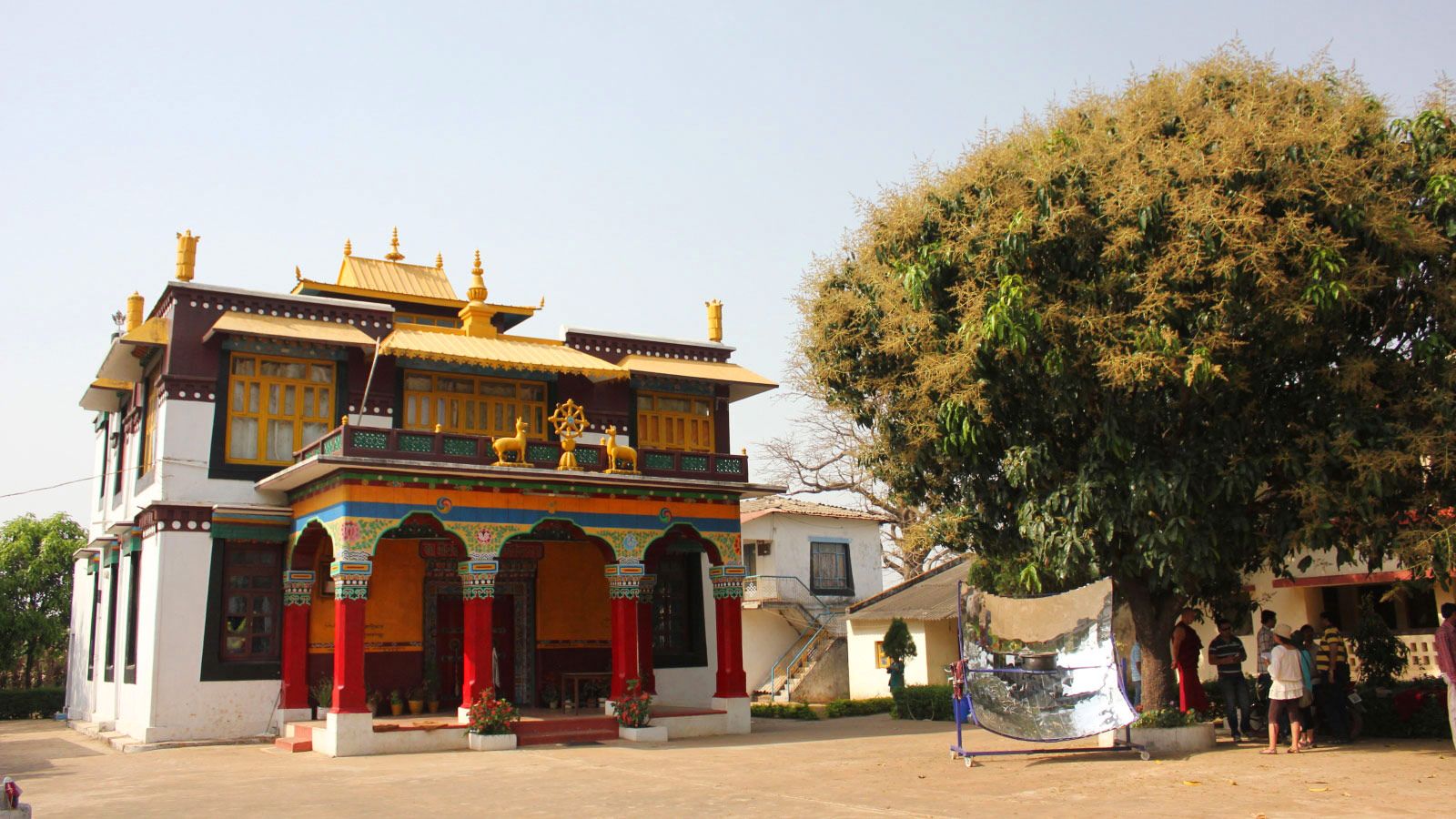
But what makes Mainpat truly unique is its cultural dimension. Following the Chinese occupation of Tibet in 1959, the Indian government resettled Tibetan refugees in Mainpat, and their descendants still call this plateau home. Today, two Tibetan settlements — Phendeling and Samtenling — maintain the full richness of Tibetan Buddhist culture, complete with functioning monasteries, prayer flag poles, stupas, and traditional Tibetan houses. The monasteries welcome respectful visitors and offer a rare opportunity to witness living Tibetan culture in the heart of central India.
The food scene at Mainpat is another highlight — freshly made momos (Tibetan dumplings), thukpa (noodle soup), and butter tea can be enjoyed at small Tibetan eateries that look out over the gorgeous plateau landscape. The combination of the altitude, the cool air, the Buddhist atmosphere, and the quality of the food makes Mainpat one of those rare destinations that exceeds all expectations.
Tattapani — Healing Geothermal Springs
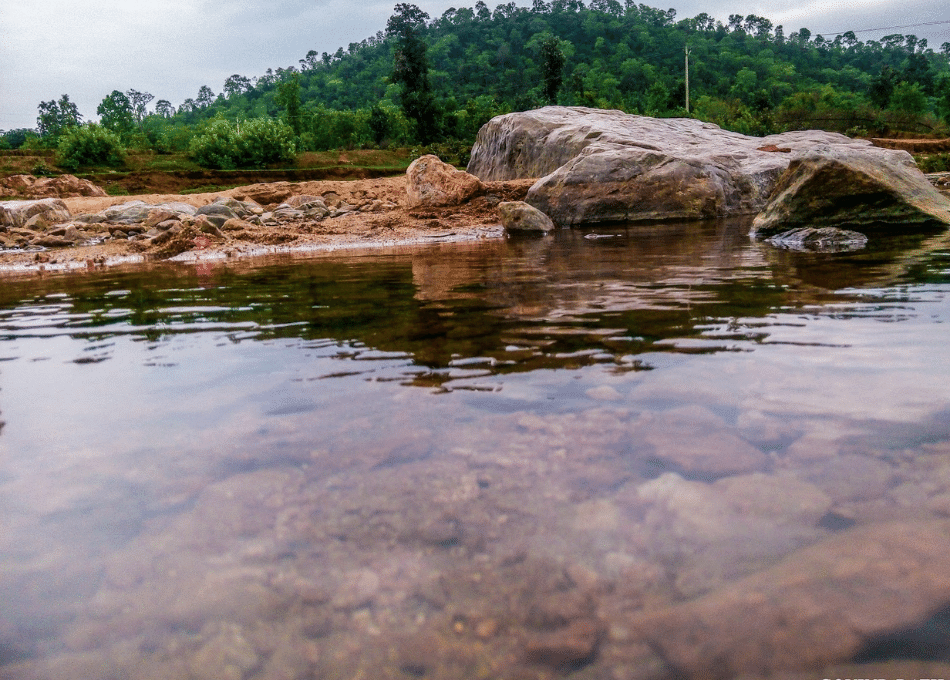
The name Tattapani literally translates to "hot water" in Hindi, and this geothermal site more than justifies its name. Located approximately 100 kilometres from Ambikapur, Tattapani is one of the most remarkable natural phenomena in the entire region — a place where the earth itself heats the water bubbling up from beneath the surface to temperatures that can be felt from several metres away.
The springs emerge from the bed of the Mahanadi river and its tributaries, and the combination of the hot, mineral-rich waters with the surrounding forest landscape creates an atmosphere of extraordinary natural magic. The sulphurous steam rising from the water surface gives the area an almost otherworldly appearance, particularly in the cool early morning hours when the contrast between the warm water and the cool air creates dramatic plumes of vapour.
Local tradition holds that bathing in the Tattapani springs carries powerful curative properties. The mineral-rich waters are said to be effective in treating skin conditions, joint pain, and respiratory ailments. Whether or not one subscribes to the medicinal claims, there is no doubt that soaking in these naturally heated waters surrounded by pristine forest is an experience of profound physical and psychological refreshment.
The site has significant religious importance as well. A small temple on the bank of the river is dedicated to Lord Shiva, and the association between natural hot springs and Shiva worship is ancient in Hindu tradition. The Makar Sankranti festival (January) draws large numbers of pilgrims who consider bathing in the thermal waters on this auspicious day to be especially meritorious.
Ramgarh Hill — India's Oldest Natural Theatre
Ramgarh Hill is perhaps the most intellectually and historically significant site in all of Surguja. This remarkable hill, located approximately 50 kilometres from Ambikapur near the town of Udaipur (not to be confused with the Rajasthan city), contains what scholars believe to be one of the oldest natural theatres in Asia, and possibly in the world. The site's story intertwines ancient history, literary legend, and geological wonder in a way that is genuinely rare.
At the summit of the hill sits a natural cave — Sita Bengra — which has been shaped by the hill's sandstone geology into a concave amphitheatre form with remarkable acoustic properties. Inscriptions found on the cave walls have been dated to approximately the 3rd century BCE, placing the site firmly in the Mauryan period. Some scholars have gone so far as to suggest that Ramgarh is the "Ramgirim" mentioned in Kalidasa's immortal Sanskrit poem Meghaduta (The Cloud Messenger), written around the 4th–5th century CE — which would make this one of the settings of one of the greatest works of classical Sanskrit literature.
Adjacent to Sita Bengra is the smaller Jogin Bengra cave, which also contains ancient inscriptions. The hilltop commands spectacular views over the surrounding forest and plains, and the experience of standing where people gathered for cultural performances over two thousand years ago is profoundly moving for any historically inclined visitor. The hike to the summit, though moderate, takes you through lovely forest, past distinctive rock formations, and alongside the calls of forest birds.
Sarguja Palace — The Seat of Royalty
The Sarguja Palace, located in the heart of Ambikapur city, is one of the most striking architectural landmarks in the entire Surguja region. Built in the early 20th century under the patronage of the Surguja princely state, the palace reflects the eclectic style typical of Indian princely architecture of the colonial era — a fascinating blend of European Baroque, Mughal, and indigenous Rajput design elements that together create a building of considerable visual drama.
The Surguja royal family ruled over a substantial portion of what is now northern Chhattisgarh for several centuries, and the palace is a physical record of that long and storied lineage. The royal family were known as generous patrons of the arts — supporting classical music, dance, and the crafts traditions of the tribal communities under their rule. Their legacy is visible today in the cultural vitality of Ambikapur and the quality of traditional craftsmanship still practiced throughout the district.
Today, the Sarguja Palace complex is a heritage hotel managed by descendants of the royal family, making it possible for travellers to experience the extraordinary atmosphere of living in a palace. The experience of dining in rooms that once hosted the Surguja maharajas, surrounded by period furniture, portraits, and artefacts, is a unique and deeply evocative way to connect with the history of the region. The palace also has a small private museum that displays weapons, household artefacts, and photographs from the royal era that are of genuine historical interest.
Mahamaya Mandir — The Sacred Hilltop Shakti Peeth
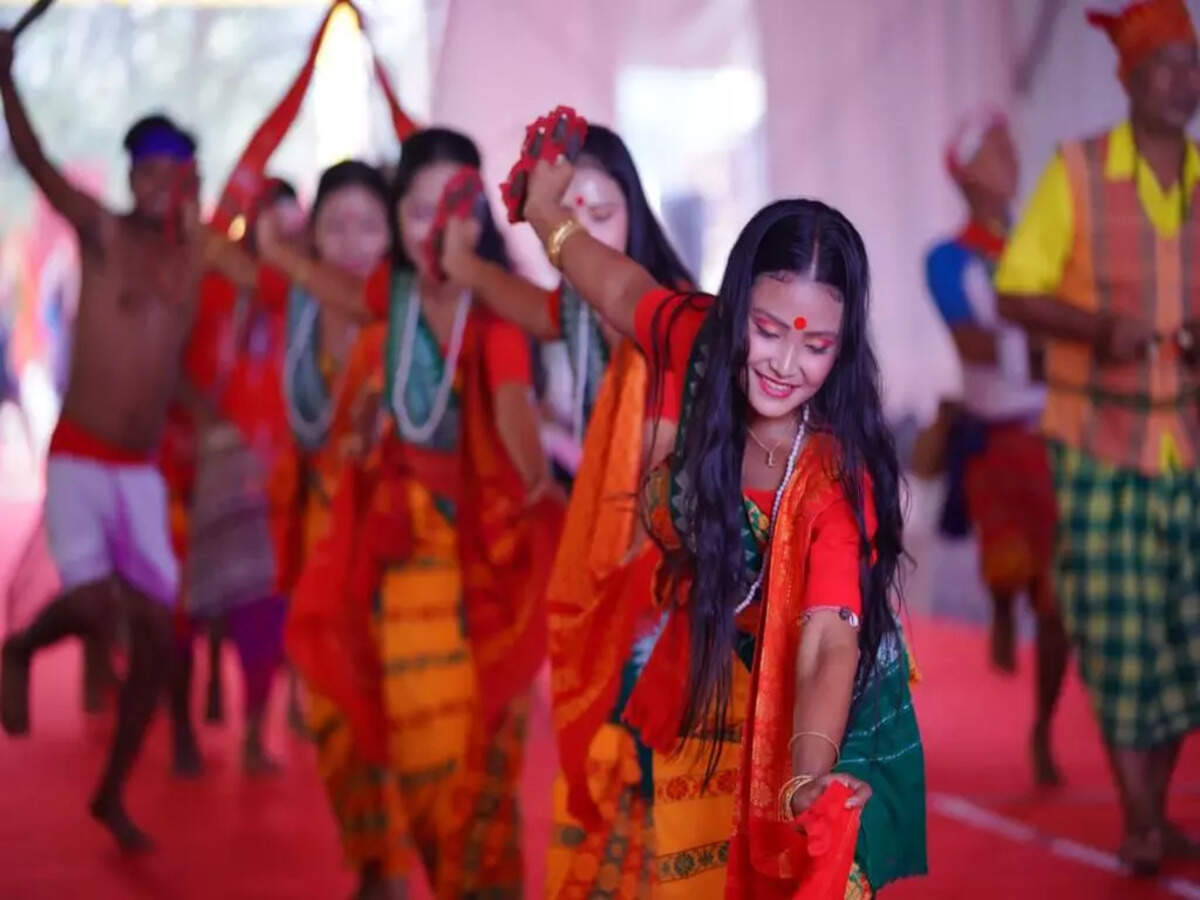
The Mahamaya Mandir is not merely a temple — it is the spiritual epicentre around which the entire culture of Ambikapur revolves. Situated atop a prominent hillock that overlooks the entire city, the temple is dedicated to Goddess Mahamaya, a powerful form of the Divine Mother who is considered the presiding deity of Ambikapur. The goddess's presence is felt throughout the city, from the name of the city itself (Ambikapur — "the city of Ambika/Durga") to the elaborate festivals held in her honour throughout the year.
The temple draws enormous crowds of devotees during the Navratri festivals (celebrated twice yearly in the Hindu calendar — once in spring and once in autumn). During these nine-day festivals, the entire city takes on a festive atmosphere, with processions, devotional singing, special foods prepared as offerings, and the air thick with the scent of incense and marigold garlands. The evening aarti (prayer ceremony) at the temple during Navratri, conducted with hundreds of lamps and accompanied by the sound of conches and bells echoing across the city below, is one of the most spiritually powerful experiences in all of Chhattisgarh.
Even outside festival season, the walk up the hill to the temple — through a stairway lined with vendors selling religious offerings, street food, and handicrafts — is a worthwhile experience. The views from the hilltop over Ambikapur and the surrounding countryside are excellent, particularly at sunrise and sunset.
Kailash Gufa — The Sacred Cave Shrine
Kailash Gufa (Kailash Cave) is a natural limestone cave located approximately 30 kilometres from Ambikapur, and it holds immense religious significance for the local Hindu population. The cave contains natural formations — stalactites and stalagmites — that have been interpreted as representations of various Hindu deities, most prominently Lord Shiva. The central formation, resembling a Shivalinga, is the focus of devotional activity, and the cave has served as a place of worship for centuries.
The approach to the cave takes visitors through a short section of forest, adding to the sense of entering a sacred natural space. The interior of the cave is illuminated both by natural light filtering through fissures and by artificial lighting installed for visitors. The sound of dripping water, the cool air inside, and the flickering oil lamps maintained by devotees create an atmosphere of hushed reverence that is quite different from the busy temple environment of the Mahamaya Mandir.
Kailash Gufa is particularly crowded during the Shivratri festival (February/March), when thousands of devotees make a pilgrimage to the cave to offer their respects to Lord Shiva. The sight of the procession of pilgrims winding through the forest towards the cave mouth by the light of early morning is a remarkable one for any visitor fortunate enough to be present. Even outside of festival time, the cave is a worthwhile visit for those interested in the intersection of natural geology and living religious practice.
Ramatola & Darima Waterfalls
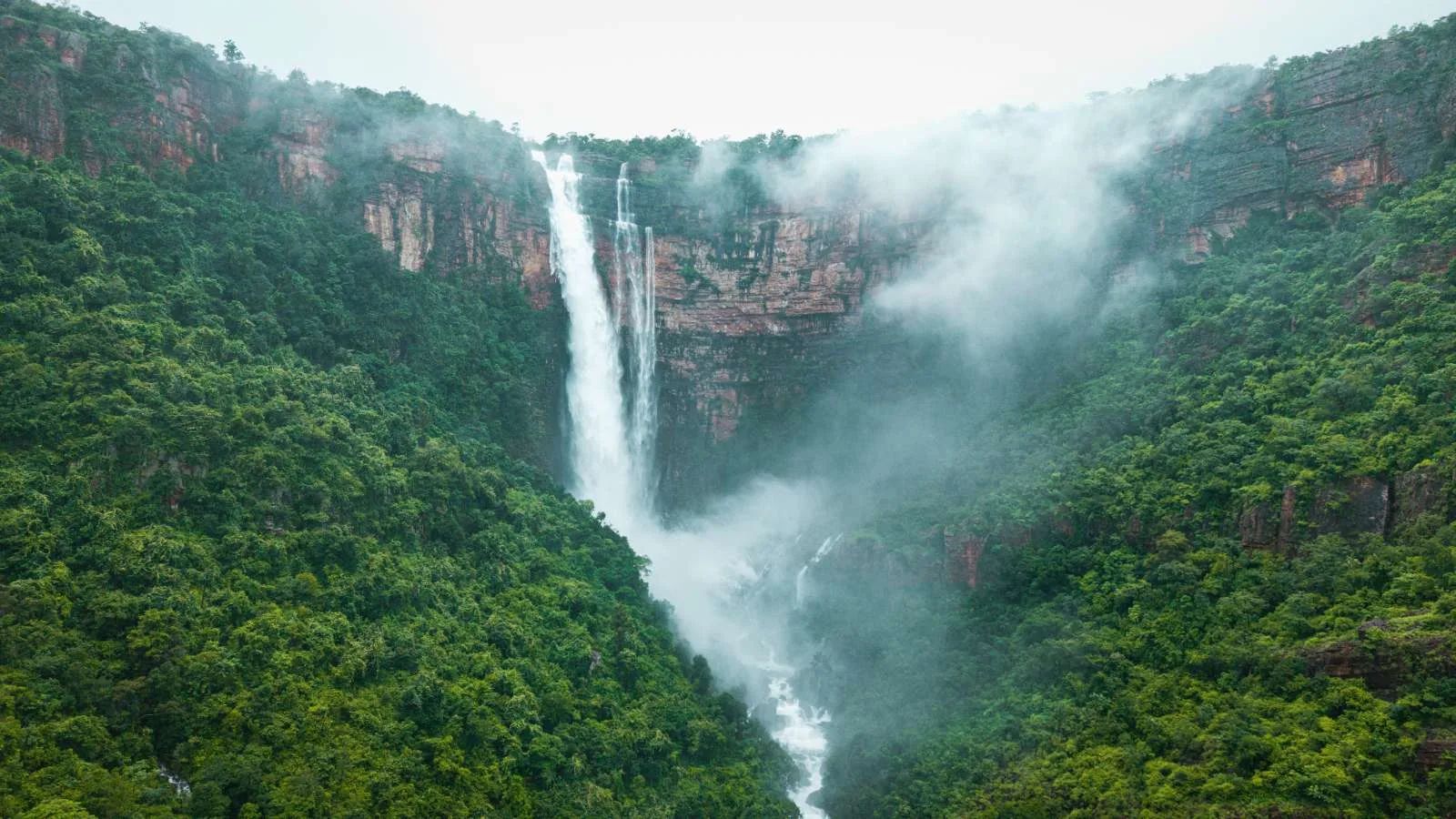
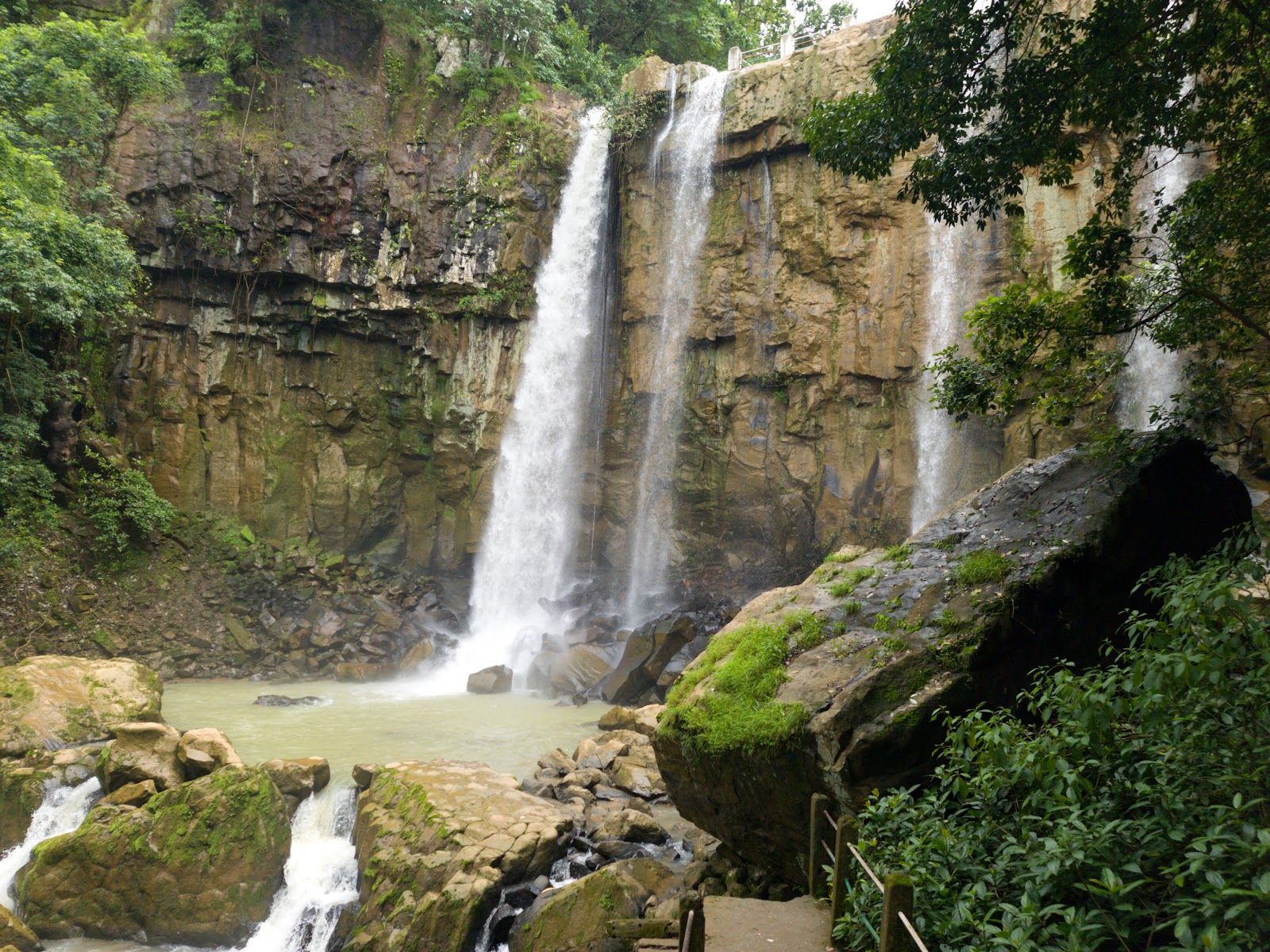
The forests surrounding Ambikapur are laced with streams and rivers fed by the heavy monsoon rainfall of the Surguja plateau, and these watercourses create some spectacular waterfall scenery. Among the best known near Ambikapur are the Ramatola and Darima waterfalls — both accessible on day trips from the city and both particularly magnificent in the post-monsoon season (October–November) when water volume is at its peak.
Ramatola Falls drop through a series of tiered rock shelves in a dense section of sal forest. The approach trek through the forest is itself part of the attraction — the trail passes through stands of tall sal trees, across streams, and past natural rock formations that speak of the geological antiquity of the Surguja plateau. The swimming pool at the base of the main falls is a popular spot for local visitors during the cooler months.
Darima Falls, slightly further from Ambikapur but equally beautiful, drop from a higher elevation into a deep plunge pool. The viewpoint above the falls offers particularly dramatic photography opportunities, especially in the early morning when light filters through the forest canopy and illuminates the spray. Wildlife watchers should keep their eyes open along the approach trail — the sal forest is home to sambar deer, barking deer, wild boar, and a wide variety of birds.
Tribal Cultural Villages of Surguja
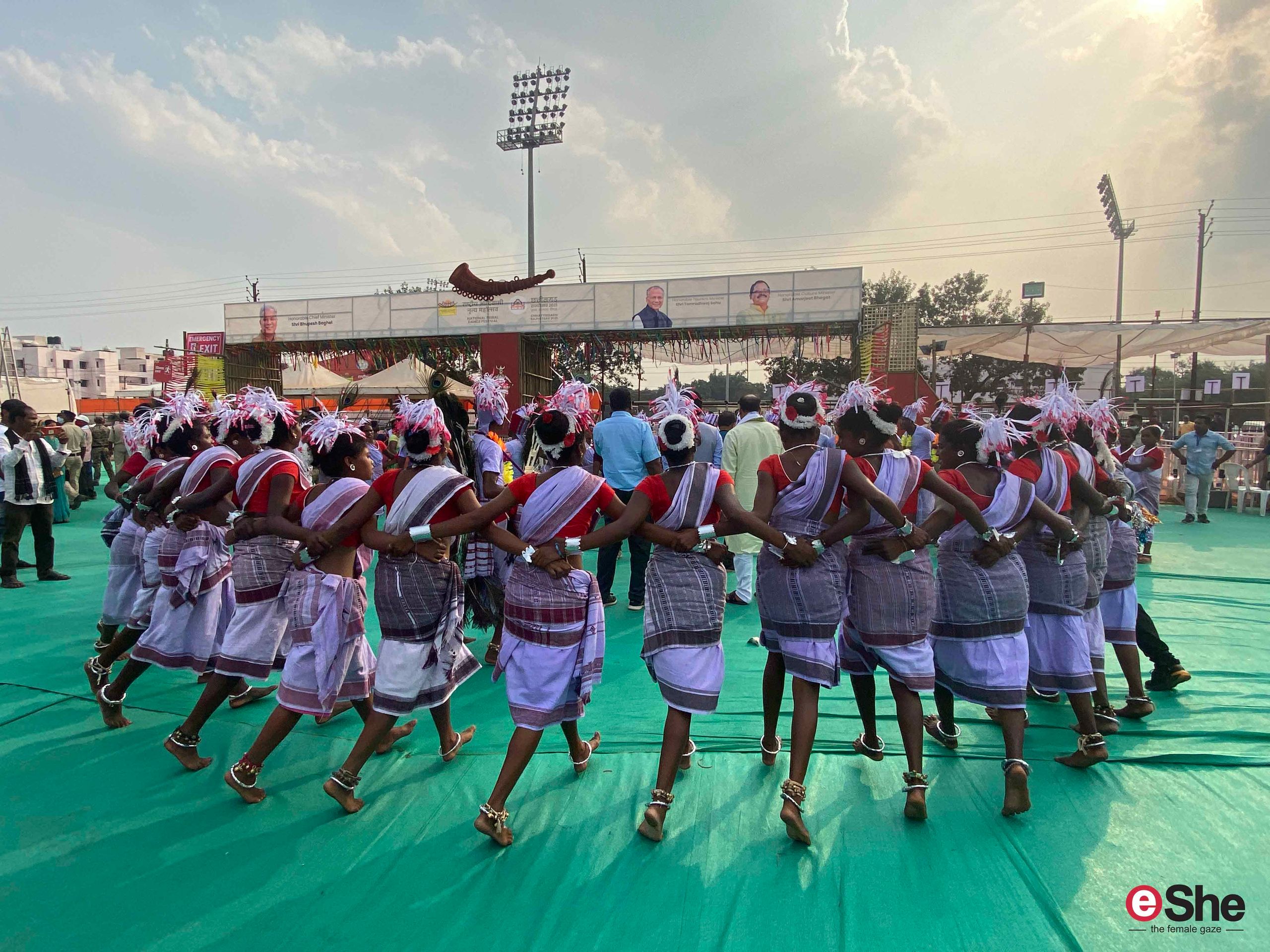
For culturally motivated travellers, a visit to one or more of the tribal villages in the Surguja hinterland is the single most transformative experience available in the Ambikapur region. The Surguja district is home to 32 distinct tribal communities, each with its own language, clothing, jewellery traditions, agricultural practices, sacred groves, and seasonal festivals. The sheer diversity of cultures compressed into a relatively small geographical area is remarkable.
The Korwa and Pahari Korwa communities are among the most isolated and culturally distinct tribal groups in India. The Pahari Korwa in particular — a Particularly Vulnerable Tribal Group (PVTG) — live in remote forest villages and maintain a semi-nomadic lifestyle closely tied to the forest. Responsible ecotourism initiatives now allow visitors to spend time in Pahari Korwa villages under the guidance of NGO partners who ensure that the experience is culturally respectful and economically beneficial to the community.
More accessible are the Oraon and Korwa villages where traditional arts and crafts are actively practised. Watching skilled artisans create Dhokra metalwork — a lost-wax casting technique of extraordinary sophistication that dates back over 4,000 years — is a privilege that few visitors to India are afforded. The weekly haat markets, where tribal produce, crafts, and traditional medicines are traded, are perhaps the best introduction to tribal life for first-time visitors.
Laxmangarh Fort — Medieval Mountain Fortress
Laxmangarh Fort, perched on a rocky hilltop approximately 45 kilometres from Ambikapur, is one of the finest examples of medieval fortification architecture in northern Chhattisgarh. Built by the Surguja feudal rulers several centuries ago as a defensive stronghold controlling an important river valley, the fort offers a fascinating window into the military history and political geography of the region before it came under British influence.
The fort walls, constructed from locally quarried sandstone, stretch along the natural contours of the hilltop in a form that demonstrates considerable engineering sophistication. Towers at strategic intervals provided lookout points and defensive firing positions, while the main gateway — still largely intact — is adorned with decorative carvings that speak of the artistic sensibility of its builders even in a military context.
The views from the fort ramparts over the surrounding forest and river valley are spectacular, and the sense of history that pervades the site — the weathered stone, the silence broken only by wind and birdsong, the knowledge that this hilltop has witnessed centuries of human drama — makes Laxmangarh Fort one of those rare historical sites that engages the imagination as well as the intellect. Sunrise visits are particularly recommended for photographers.
Hasdeo & Rihand Reservoir — Water in the Forest
The Rihand Dam — also known as Govind Vallabh Pant Sagar — is one of the largest man-made reservoirs in India, and its vast blue expanse set amid the green hills of Surguja creates some of the most beautiful landscapes in all of Chhattisgarh. The reservoir was created in 1961 by damming the Rihand river, a major tributary of the Son, and its waters spread over a vast area, touching the districts of Surguja, Korea, and Siddhi in Madhya Pradesh.
For travellers, the reservoir and its surroundings offer several distinct experiences. Boat rides on the calm waters in the early morning offer glimpses of the forested shoreline and the possibility of seeing waterfowl and wading birds. The banks of the reservoir are home to numerous wildlife species that come to drink at the water's edge, including elephants — who travel through the Hasdeo forest corridor on their ancient migration routes. This elephant corridor is one of the most significant wildlife conservation areas in central India and is the subject of ongoing conservation efforts.
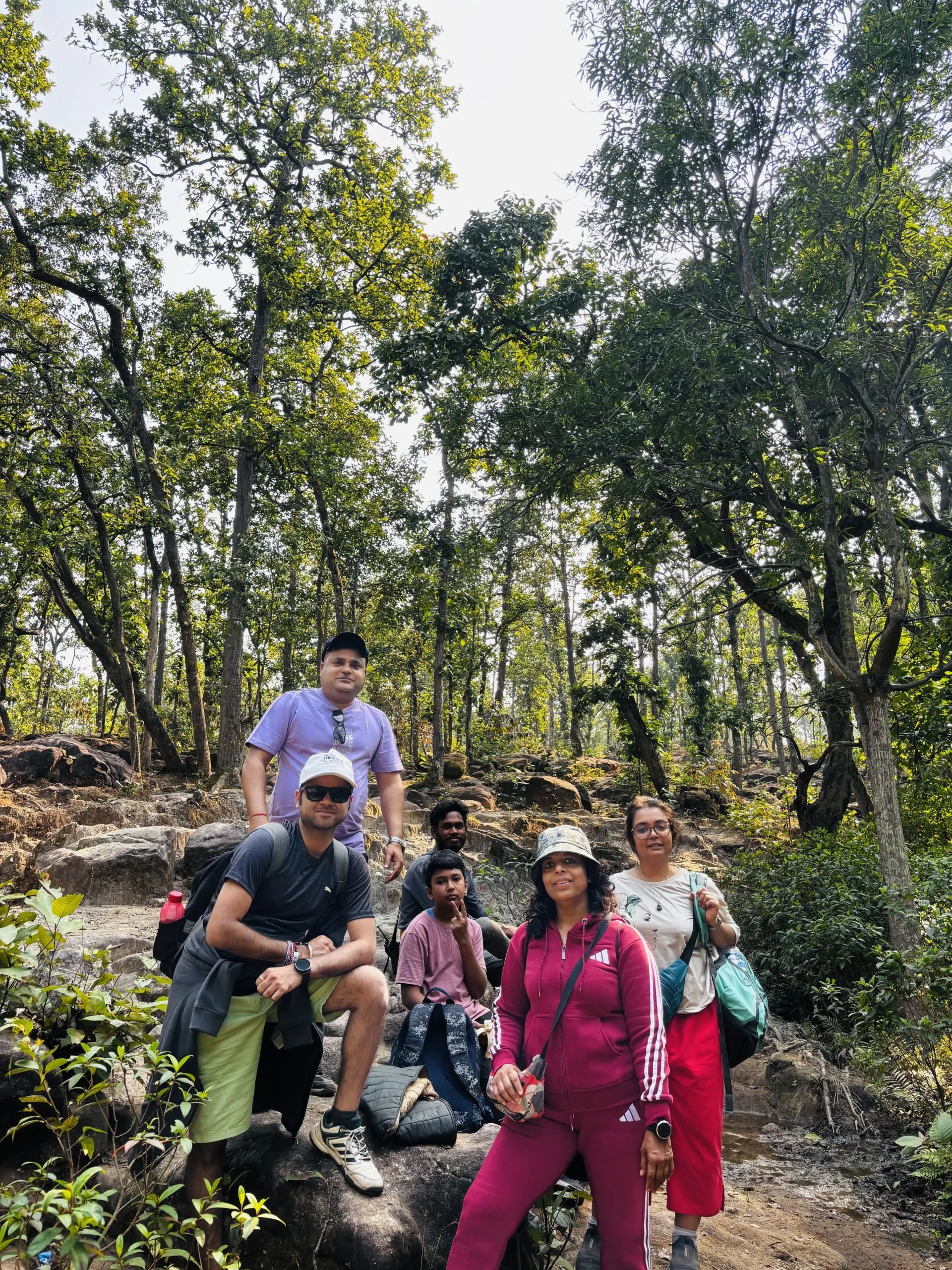
The Hasdeo forest itself, through which the elephants move, is an ancient tropical moist deciduous forest of extraordinary ecological richness. Ancient sal trees create a cathedral-like canopy, and the forest floor is carpeted in seasonal wildflowers after the monsoon. Birding in the Hasdeo forest is particularly rewarding — over 300 species have been recorded here, including several rare and endemic species.